



Tips for Building a Bomb Shelter
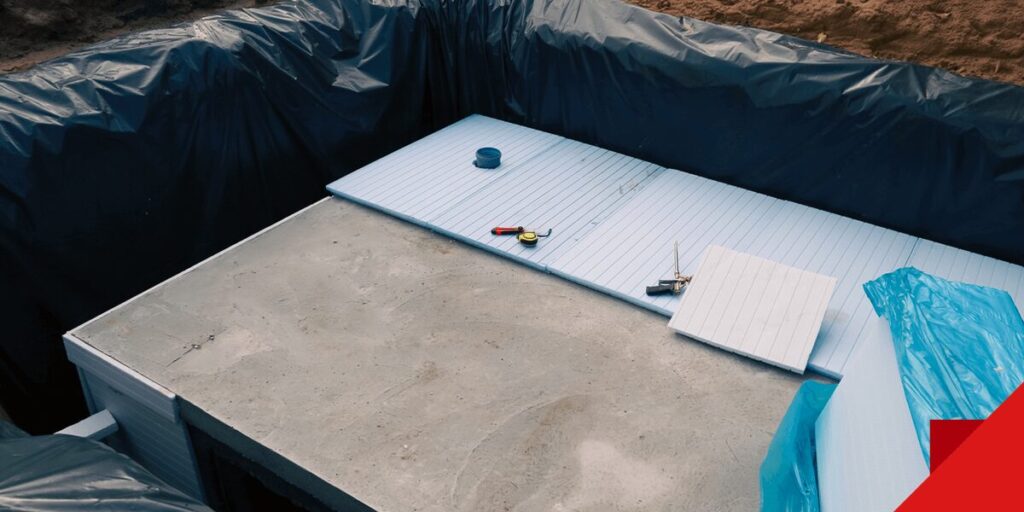
When you live in an uncertain world, being prepared for any emergency is crucial. Whether you’re planning a storm shelter for natural disasters or preparing for worst-case scenarios, having a safe, secure survival shelter can bring peace of mind.
This guide offers practical tips to build an underground bunker, or bomb shelter, outlining each stage of the construction process from careful planning to final outfitting.
While some aspects can be planned independently, the structural work of building a bomb shelter requires specialized skill. Partnering with licensed professionals keeps your shelter strong, safe and reliable.
Here at R. J. Potteiger Construction Services, Inc., we’ve completed several survival bunkers and bomb shelter construction projects, so we’ve compiled expert tips to help you get the job done right.
Phase 1: Planning Your Shelter Project
A successful shelter starts with a solid plan. Before breaking ground, think carefully about your goals, space limitations and protection needs.
Defining the Scope and Size
Factor in these key considerations when planning the size of your bomb shelter:
- Number of occupants: A space of about 20 square feet for each person is sufficient for everyone to complete basic life tasks like eating, sleeping and storing supplies.
- Safety and livability: Since you’ll need to house several people for an indeterminate duration, you’ll need to plan for emergency exits and ventilation.
- Accurate measurements: Having precise interior and perimeter measurements from the outset will help you avoid major issues during construction.
- Blueprints: Create blueprints while outlining the interior of your bomb shelter with special attention to a bathroom, eating space and food storage.
- Hygiene: During the design phase, it’s critical to keep food and human waste areas as far apart as possible. A spread of bacteria or infection throughout the shelter or in your food supply could lead to fatal illnesses or starvation.
- Sleeping arrangements: Fold-down bunk beds would allow seating space for your family when no one is sleeping. You can also store water containers under them.
- Storage: Consider personal lockers or cabinets for each individual. Simple shelving is fine for food, but consider plastic sheeting so you can avoid fallout particles on your food.
Belowground vs. Aboveground Construction
The process for building a fallout shelter below ground involves significantly different steps from building one above ground. The amount of matter between you and the outside world affects how protected you are. That makes the soil packed around your belowground bomb shelter valuable.
Thicker layers of reinforced concrete in the shelter help to protect inhabitants against the blast itself and the resulting radiation. Building below ground also hides the shelter from neighbors and passersby. These same principles make underground shelters ideal as storm shelters during severe weather events.
If you’ve opted to build an underground bunker, or concrete bomb shelter, you can start building your walls against the packed earth. It’s important to use proper support for the material before working with it, and especially before building structures above your head.
Although not the most highly recommended option, if you decide to build your bomb shelter above ground, you can bypass most digging and proceed directly to construction. In this case, use a minimum of 2 feet of reinforced concrete for the walls and a masonry dome bunker roof to protect against nuclear radiation exposure.
Researching Local Permits and Regulations
Before you build a bomb shelter, always check with your local authorities. Most jurisdictions have strict zoning laws and construction codes that apply to underground or reinforced structures. Securing proper permits prevents costly delays and helps ensure your survival shelter meets essential safety and structural standards.
Phase 2: Site Preparation and Construction
Once you’ve finalized designs and permitting, it’s time to start preparing the site. You’ll need to finalize several details during this stage of bomb shelter planning to ensure you’re satisfied with the final product and that it’s entirely safe. Without proper site preparation, the shelter could end up more dangerous on its own than any threats you’re trying to protect against.
Choosing and Assessing the Location
Before making a final judgment about your site, carefully consider the terrain and location where you picture the shelter.
- Water table: You need to know its water levels throughout the entire year to make sure a deep freeze in the soil doesn’t cause underground shelter walls to crack. You must be willing to pump water out of a hole with a high water table to keep the shelter from floating or water seeping in. This also allows concrete bomb shelters to set properly.
- Proximity to home: It needs to be near enough to your home for you and your family to get inside quickly, as shelters too far away are rarely helpful in an emergency.
- Strategic positioning: If you have a solid idea where a bomb blast might come from during an attack, you can position your bomb shelter so it has more layers between itself and that location. For instance, you could build your shelter into or on the other side of a hill so that the mass of the land protects you even more thoroughly from the blast and fallout.
Excavation and Foundation
Complete a soil test to determine holding capacity before you start digging for underground bomb shelter construction. The test ensures the soil won’t cave in and injure anybody once work has begun.
As soon as you know the ground is safe to work on, you can start staking and cordoning off a measured area where bomb shelter construction will take place. This safety precaution prevents people from wandering into or near your building site during off-hours when you’re not nearby.
Next, your trusted local contractor can start digging your hole based on the size and design you’ve chosen for your shelter. Remember that the interior of the hole needs to be a little larger than that of the finished building.
How deeply you nestle your underground shelter into the ground is up to you. Keep in mind that the more layers you put between you and the hazards, the more protected you will be. We recommend a minimum of 3 feet of earth covering the bunker roof for optimal protection.
Building With Reinforced Concrete
When it comes to bomb shelter construction, reinforced concrete is the gold standard. Its combination of density, strength and longevity makes it ideal for withstanding external pressure, debris and even radiation.
Reinforced concrete walls with steel rebar offer unmatched protection against blast forces, moisture and shifting soil. The concrete floor should be at least 6-8 inches thick and reinforced to support the weight of supplies and occupants. The bunker roof requires the thickest reinforced concrete layer, as it bears the most weight and provides primary radiation shielding. For anyone learning how to build a bomb shelter, reinforced concrete is the material of choice for a secure, durable structure.
Phase 3: Outfitting for Safety and Survival
Once the structure is in place, the next priority is adding critical elements that make your shelter a safe, liveable and sustainable refuge in an emergency.
Ensuring Proper Ventilation and Air Filtration
A secure shelter must have fresh, clean air through proper ventilation and air filtration systems. Ventilation maintains airflow, preventing humidity and carbon dioxide buildup, while air filtration keeps contaminants, smoke, and radioactive particles out.
When you build a fallout shelter, it helps to incorporate 90-degree turns in air ducts to block radiation while maintaining airflow. Place air intakes and exhaust pipes on either end of the shelter to facilitate airflow. Consider an air pump that you can operate manually to remove stale air from the structure and pull in fresh air from outside.
Air filtration provides an additional layer of assurance that radioactive particles are safely removed from the shelter. Install a dedicated air filtration system to maintain breathable air.
Installing Emergency Exits
In addition to the main entrance, you should always include an emergency hatch at the back end of any fallout shelter. It should be shorter than the entry hatch so that people can exit quickly in the event of an emergency, such as a fire. Any number of external forces could compromise the main hatch, leaving inhabitants in serious trouble if they don’t have an emergency exit.
It’s recommended that you build your emergency hatch with an inward opening. It should go to the surface of the ground with about a foot of sand above it. The sand would fall into the shelter if anybody pulled the hatch open, which would allow residents to leave.
Stocking Essential Provisions
Stock up on essentials well in advance to stay prepared. To prevent running out of supplies, plan for a few possible time frames, like 72 hours, two weeks or even three months.
Some specific items to include are:
- Water: Avoiding dehydration should be the top priority, which means you’ll want to stock large containers of water. Bypass small bottles to save space and reduce waste.
- Food: Any nonperishables are fine for your bomb shelter, but if there’s any risk of the area becoming damp over time, consider reducing or eliminating paper and cardboard. Additionally, select items that minimize waste.
- Waste disposal: For waste items such as food product containers, a regular trash bag will suffice. To properly dispose of human waste, use five-gallon buckets lined with heavy trash bags. Make sure the buckets have securely sealed lids and are disposed of near an air exhaust. You can also include cat litter to cover waste in layers.
- Miscellaneous: Other crucial items include clothing, blankets, a first-aid kit, pest control and communication radios. Some nonessentials to consider — if they’re safe and space allows — are books or other forms of entertainment.
Partner With a Professional for Bomb Shelter Construction
Even with a thorough plan, the safety of any bomb shelter depends on the quality of its structural work. Excavation, concrete pouring and reinforcement are not DIY tasks — they demand precision, heavy equipment and skill.
With decades of proven experience, full licensing and a commitment to excellence, R.J. Potteiger Construction Services, Inc. delivers reliable results for the most critical stages of your shelter project.
Build a fallout shelter that stands strong against the unexpected, and trust the skilled staff who make safety their foundation.
Contact us online today or call our office at (717) 697-3192 to discuss your project.